

South Sudan, officially the Republic of South Sudan, is a landlocked country in East-Central Africa. It is known for its diverse communities, rich cultural traditions, expansive savannahs, wetlands and the White Nile River. As the world’s youngest internationally recognized country, South Sudan has a distinctive history and a diverse cultural heritage.

SOUTH SUDAN – QUICK FACTS
- Official Name: Republic of South Sudan
- Capital: Juba
- Region: East-Central Africa
- Telephone Code: +211
- Area: Approximately 644,329 km²
- Official Language: English
- Other Languages: Dinka, Nuer, Bari, Zande and several other indigenous languages
- Currency: South Sudanese Pound (SSP)
- Population: Approximately 11–12 million (estimates vary)
- Bordering Countries: Sudan, Ethiopia, Kenya, Uganda, Democratic Republic of Congo and Central African Republic
- Major River: White Nile
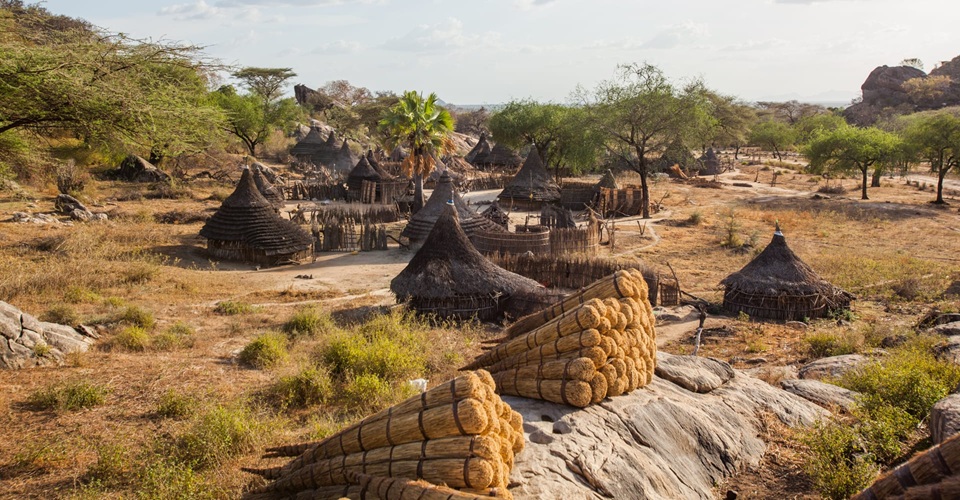
ABOUT SOUTH SUDAN
South Sudan gained independence from Sudan on 9 July 2011, becoming the world’s newest internationally recognized country. Its capital, Juba, is an important political, commercial and cultural centre.
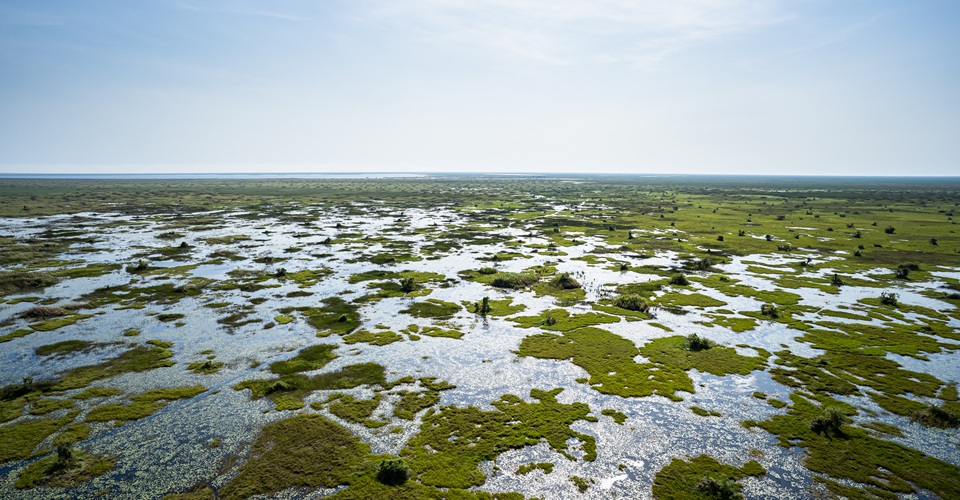
The country has a predominantly tropical climate, with extensive grasslands, savannahs, forests and wetlands. The Sudd, one of the world’s largest freshwater wetlands, is an important ecological feature and supports diverse wildlife.
South Sudan has a rich cultural landscape shaped by numerous ethnic communities, languages, traditions and ways of life. Community relationships, traditional music, dance, storytelling and livestock-keeping remain important aspects of cultural identity in many parts of the country.
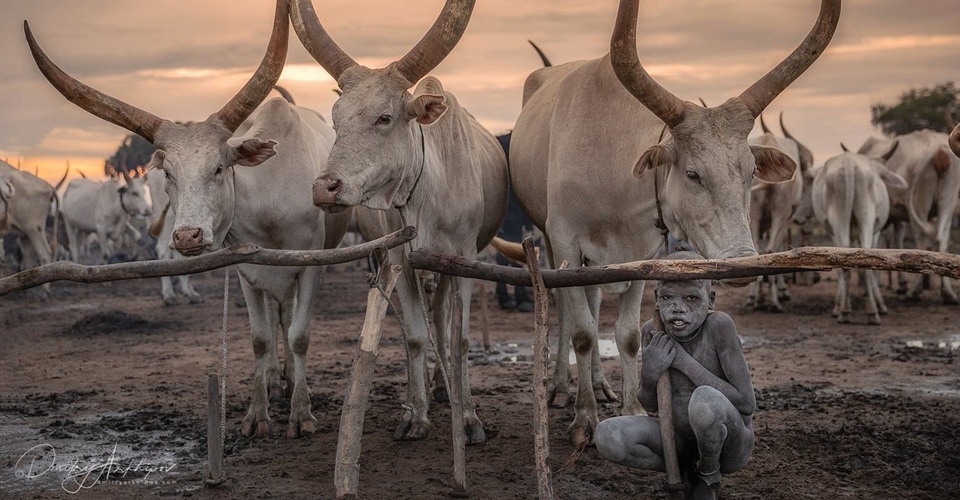
CULTURE AND HERITAGE
South Sudan is home to many ethnic communities, including the Dinka, Nuer, Shilluk, Bari, Azande and others. Each community has distinctive cultural practices, traditional ceremonies, music, dance and social customs.
Traditional cattle-keeping plays an important cultural and economic role among several communities, while agriculture, fishing and local trade also contribute to livelihoods. The country’s cultural diversity reflects a long history of community traditions and regional influences.
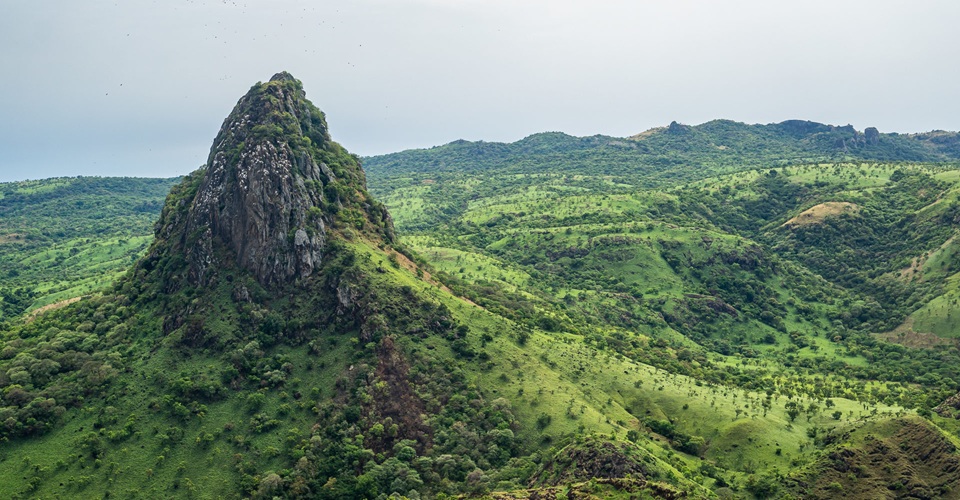
LANDSCAPE AND NATURAL HERITAGE
South Sudan’s natural environment includes vast grasslands, seasonal floodplains, tropical forests and river systems. The White Nile passes through the country, while the Sudd wetlands provide important habitats for birds, fish and other wildlife.
Its natural landscapes and biodiversity form an important part of the country’s environmental heritage.
VOLUNTEERING IN SOUTH SUDAN
Go Volunteer Africa does not currently operate volunteer programs or have confirmed volunteer placements available in South Sudan. We are therefore not accepting volunteer applications for this destination at present.
South Sudan is currently classified as an Unavailable Destination within our volunteer travel network. We are unable to confirm or arrange placements there at this time.

We periodically review destinations and opportunities through our local partnership network. Should suitable community projects or volunteer placements become possible in the future, we will update this page and share the relevant information.
If you would like to be informed about any future developments, you are welcome to contact Go Volunteer Africa. Organizations in South Sudan interested in potentially hosting international volunteers may also learn more about our Host Volunteers initiative.
Please note that an inquiry does not constitute a volunteer application or guarantee of a future placement. Any future opportunities would depend on suitable local partnerships, project requirements and operational feasibility.


