
Marine Conservation in Africa! Africa is renowned for its wildlife, national parks, and vast landscapes, but one of its greatest natural treasures lies beyond the coastline. The continent is home to some of the world’s most diverse marine ecosystems, including coral reefs, mangrove forests, seagrass meadows, coastal wetlands, and habitats that support whales, dolphins, sea turtles, sharks, and thousands of fish species.
Marine conservation is the protection and restoration of oceans, coastal habitats, and marine wildlife. As global environmental challenges continue to grow, protecting these ecosystems has become more important than ever.

Why Marine Conservation Matters
Healthy oceans play a critical role in sustaining life on Earth. They help regulate the global climate, provide food and livelihoods for millions of people, support tourism economies, and produce much of the oxygen we breathe. However, marine ecosystems face increasing threats from pollution, climate change, habitat destruction, overfishing, and unsustainable coastal development.
Coral reefs, often called the “rainforests of the sea,” support an extraordinary variety of marine life and provide essential protection for coastlines. Mangrove forests and seagrass beds also serve as important breeding grounds for fish species while helping absorb carbon from the atmosphere.

Key Marine Conservation Activities
Marine conservation programs around the world often focus on:
- Coral reef monitoring and restoration
- Sea turtle conservation
- Whale and dolphin research
- Shark conservation initiatives
- Mangrove ecosystem protection
- Marine biodiversity surveys
- Coastal clean-up campaigns
- Environmental education and community awareness
- Sustainable fisheries management
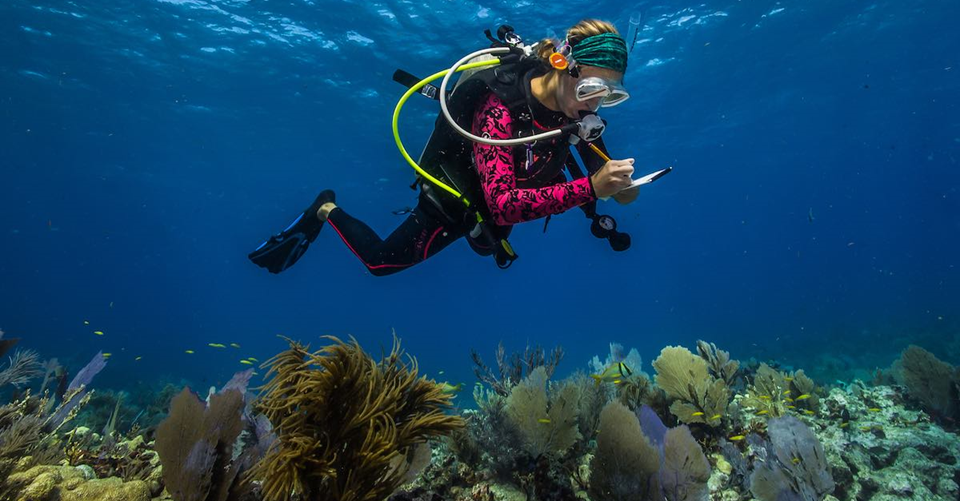
Many conservation projects rely on scientific data collection to better understand marine ecosystems and develop long-term protection strategies. Volunteers often assist researchers with monitoring wildlife populations, recording observations, conducting habitat surveys, and supporting conservation education programs.
Marine Conservation Opportunities in Africa
Although Go Volunteer Africa does not currently operate dedicated marine conservation placements, several African countries offer reputable marine conservation experiences through specialized conservation organizations and research programs.
Mozambique
Mozambique’s coastline is one of the most important marine biodiversity hotspots in Africa. The country is known for whale sharks, manta rays, humpback whales, sea turtles, and extensive coral reef systems. Marine conservation programs often involve reef monitoring, whale and dolphin research, mangrove protection, and marine species identification.
Seychelles
The Seychelles archipelago is internationally recognized for its coral reefs, marine protected areas, and conservation initiatives. Volunteers may participate in reef surveys, fish population monitoring, and seagrass ecosystem research. The region has become a leading destination for marine conservation and scientific diving projects.
South Africa
South Africa’s coastline supports a remarkable diversity of marine life, including whales, dolphins, sharks, seals, penguins, and numerous fish species. Conservation programs often focus on marine research, species monitoring, coastal conservation, and marine protected area management.
Tanzania and Zanzibar
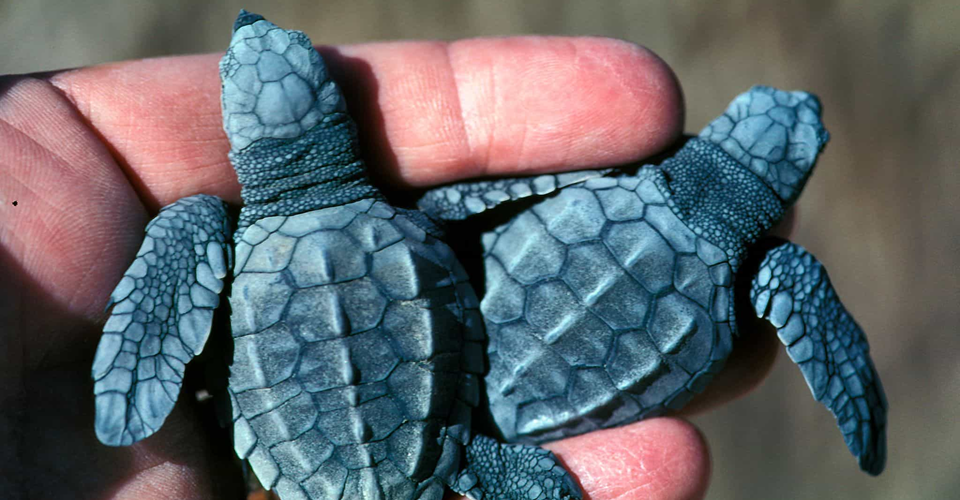
The Indian Ocean coastline of Tanzania and Zanzibar contains important coral reef systems and marine reserves. Various organizations conduct coral reef conservation, sea turtle monitoring, and coastal ecosystem protection projects that contribute to the long-term health of the region’s marine environment.
Responsible Marine Volunteering
Before joining any marine conservation program, prospective volunteers should carefully evaluate the organization and ensure that projects are research-based, community-supported, and environmentally responsible. Ethical marine conservation should contribute to genuine scientific research, local conservation goals, and sustainable ecosystem management rather than simply providing tourist experiences. Many conservation professionals recommend selecting programs that work directly with scientists, local communities, and conservation authorities.
The Future of Ocean Conservation
Protecting our oceans requires cooperation between governments, researchers, local communities, conservation organizations, and responsible travelers. Every effort to reduce pollution, protect habitats, and support sustainable practices contributes to healthier oceans and stronger coastal communities.
Whether through conservation volunteering, environmental education, responsible tourism, or supporting marine research initiatives, individuals can play an important role in safeguarding Africa’s marine ecosystems for future generations.
At Go Volunteer Africa, we believe conservation extends beyond wildlife on land. The protection of our oceans, coastlines, and marine biodiversity remains essential to building a sustainable future for communities across Africa and around the world.
Call for Partners!
If you have any questions about Marine Conservation in Africa, simply Make an inquiry here and we will guide! If you are running, know or involved with a meaningful development organization running marine conservation programs that needs volunteers’ support, then Go Volunteer Africa is here to help them, visit our host volunteers page.
